 Keji Mustapha
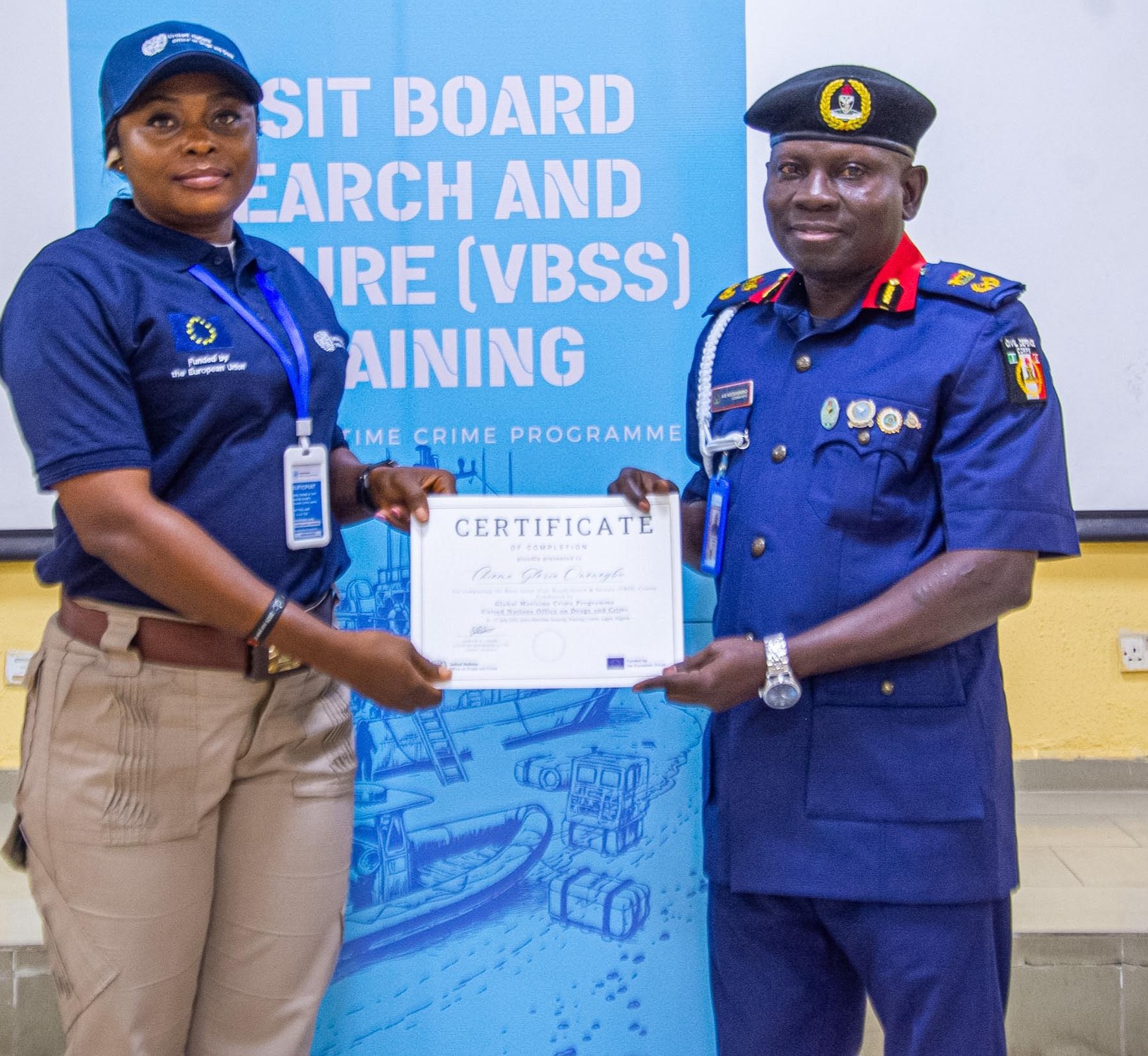
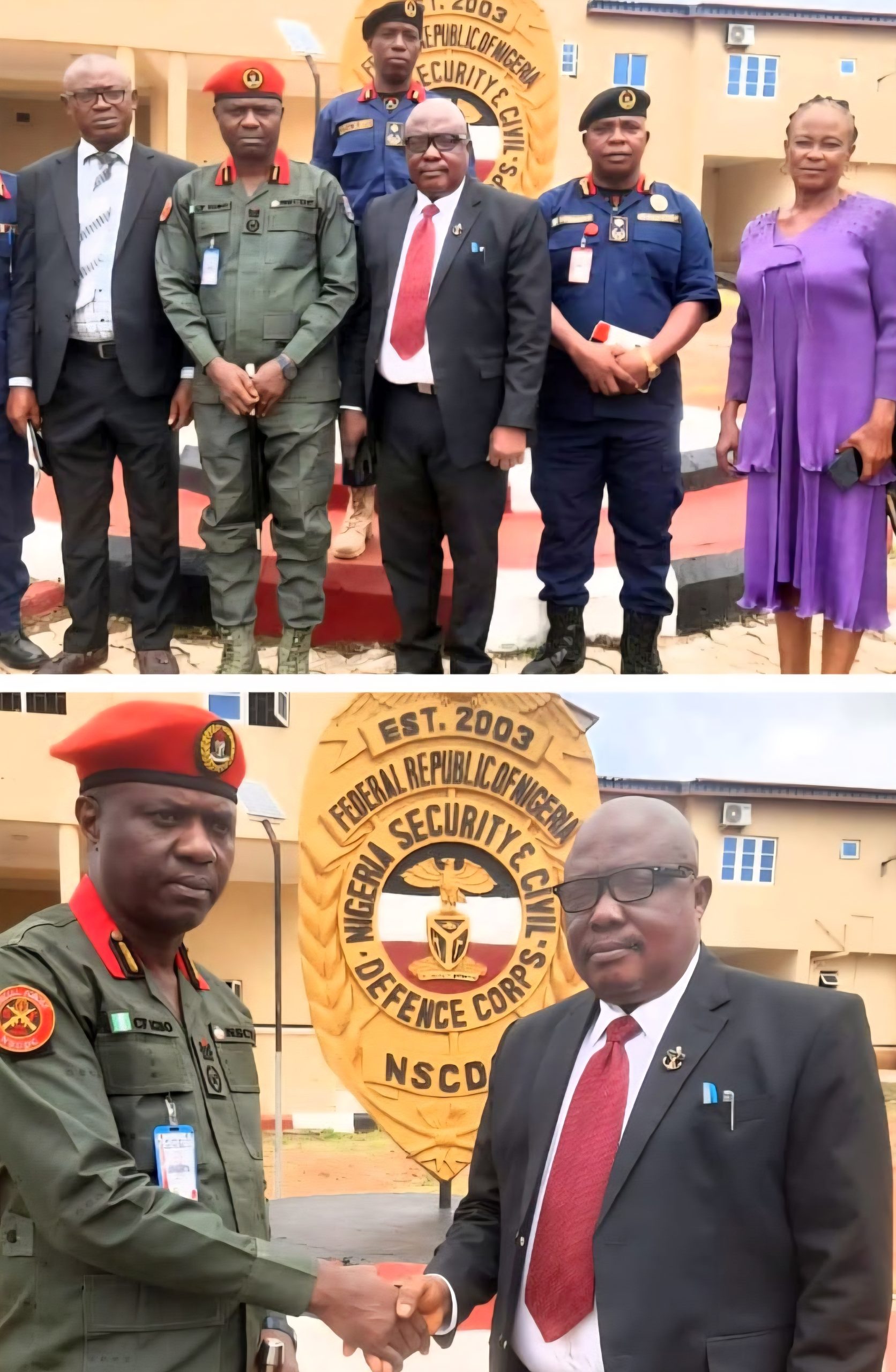
Pix: Attah Onoja, Commander, NSCDC Special Mining Marshals
By Dr Umar Gusau
The protection of Nigeria’s vast mineral resources has become a matter of urgent national concern, not just for economic growth but also for internal security and international credibility. Estimates from government and independent sources suggest that Nigeria loses as much as $9 billion annually to illegal mining and mineral smuggling. These illicit activities are concentrated in states like Zamfara, Nasarawa, Niger, Kogi, Kaduna, Kwara, Osun and parts of the FCT. Beyond draining the national treasury, this illicit trade has also been linked to environmental degradation, displacement of host communities and the financing of violent criminal networks. Clearly, the mining sector cannot flourish under such conditions without decisive and innovative interventions.
It is against this backdrop that the establishment of the NSCDC Special Mining Marshals, under the leadership of Commander Attah Onoja, represents one of the boldest reforms in Nigeria’s recent history. Since its launch in 2024, the unit has rapidly grown in strength and visibility. Reports show that at least 2,570 specially trained operatives have been deployed nationwide, with an additional 350 personnel added in one tranche, while earlier records pointed to 393 well-trained operatives forming part of the unit’s initial manpower. Onoja’s leadership has already produced tangible results, with improved field operations, increased arrests, stronger revenue capture, and public assurances that legitimate miners and investors can operate without fear. The Federal Government’s revocation of 924 dormant mining titles and its policy to license only companies that commit to local mineral processing demonstrate that the right reforms are underway at the policy level. But policies will only succeed if the men and women on the ground are equipped with the most modern tools and expertise to take the fight directly to sophisticated criminal networks.
The reality is that illegal mining in Nigeria is no longer a localised artisanal affair; it is a transnational organised crime involving cross-border smuggling rings, international financiers, and highly networked black-market buyers. Such actors rely on advanced tools, encrypted communications, and underground financial channels. To match and defeat them, Commander Attah Onoja and his team need more than courage and manpower; they need access to foreign technical assistance that can provide cutting-edge intelligence, surveillance technology, forensic systems, and financial-crime expertise. With the right support, the Marshals can reduce the time it takes to detect new illegal mining sites from weeks to just days, using a mix of satellite imagery, drone reconnaissance, and geospatial intelligence fusion. Nigeria’s terrain and the covert tactics of illegal miners make such technologies indispensable.
Beyond detection, the challenge of proving cases in court and dismantling criminal supply chains requires highly specialised skills. Foreign technical aid can help Nigeria build regional assay laboratories for ore fingerprinting, develop watertight chain-of-custody systems, and train investigators in forensic financial intelligence so that the money trails behind illicit mining can be disrupted. Too often, prosecutions in Nigeria collapse because of weak evidence handling. With international mentorship for prosecutors and investigators, cases can become watertight and convictions more frequent, thereby deterring future offenders.
The broader gains from such support are immense. Even if Nigeria were to claw back just 25 percent of the $9 billion annual losses, the government would free up over $2 billion every year that could be redirected into education, healthcare, infrastructure, and security. This is a fiscal impact that would be directly felt by ordinary Nigerians. Moreover, securing the mining sector would rebuild investor confidence and support President Bola Tinubu’s agenda of economic diversification and industrialisation. Nigeria’s policy shift towards requiring local mineral processing will only succeed if the supply chains feeding these new industries are protected from criminals. Attah Onoja’s Marshals are the only dedicated unit with the mandate and growing capacity to provide that protection, but they cannot do it alone.
Foreign technical assistance is not charity; it is a strategic partnership that allows Nigeria to accelerate the build-up of capabilities that would otherwise take decades to develop. The Onoja-led Marshals are already demonstrating commitment and transparency, making them an ideal anchor for such support. By integrating advanced surveillance systems, forensic laboratories, financial intelligence expertise, and community engagement models from international partners, the Marshals can transform the fight against illegal mining from reactive policing to proactive enforcement.
Nigeria has already opened channels with international partners such as France, Germany, and Australia for mining-related capacity building. Embedding those partnerships directly into the operational backbone of the Special Marshals will prevent duplication and maximise results. With sustained support, the unit can deliver measurable progress: faster detection of illegal sites, stronger prosecutions, greater revenue recovery, and enhanced community confidence in state institutions.
The stakes are clear. Illegal mining is bleeding Nigeria of billions, fuelling insecurity, and undermining economic reform. Commander Attah Onoja has already proven his leadership capacity by expanding and professionalising the Special Mining Marshals. What he and his team need now is foreign technical assistance to bring the fight fully into the 21st century. With the right support, Nigeria can secure its mineral wealth, channel it into national development, and prove that reform-minded leadership when backed with technology and international cooperation can deliver maximum results for the people.